What is Mycopsychosys?
Mycopsychosys is the fungal infection the series is named after — one its own scientists label Myconeurodegeneroencephalitic Psychosis — and the Plague Control Department exists to contain it.
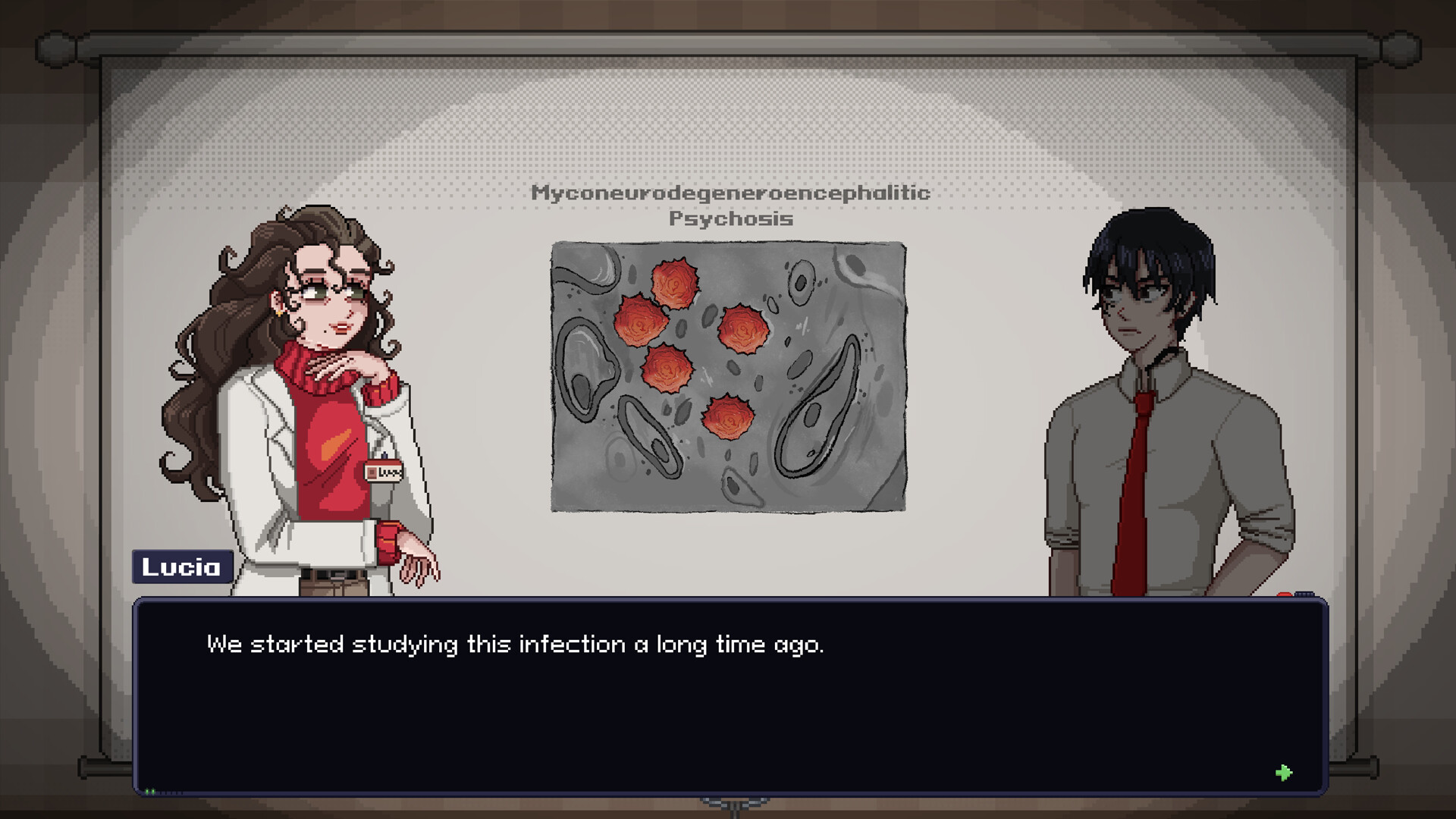
The name on the whiteboard
The clearest definition of the series' central disease comes from an official screenshot: a PCD whiteboard labeling it Myconeurodegeneroencephalitic Psychosis. Broken into its parts, the game is telling you exactly what it is:
- Myco- — fungal. The infection is a fungus.
- Neurodegeneroencephalitic — it degenerates the nervous system and the brain.
- Psychosis — and it takes the mind with it.
The series itself is named after the disease. That is the whole thesis: this is not a zombie outbreak, it is a medical horror story that happens to be pixel-drawn and occasionally adorable.
How it spreads
The mechanics come straight from the PCD's own briefing — the details are on the sporestorm page, but the short version:
- The fungus travels as airborne spores, roughly 4 microns across, light enough to ride wind and clouds.
- A sporestorm is exactly that: a weather event carrying those clouds into populated areas.
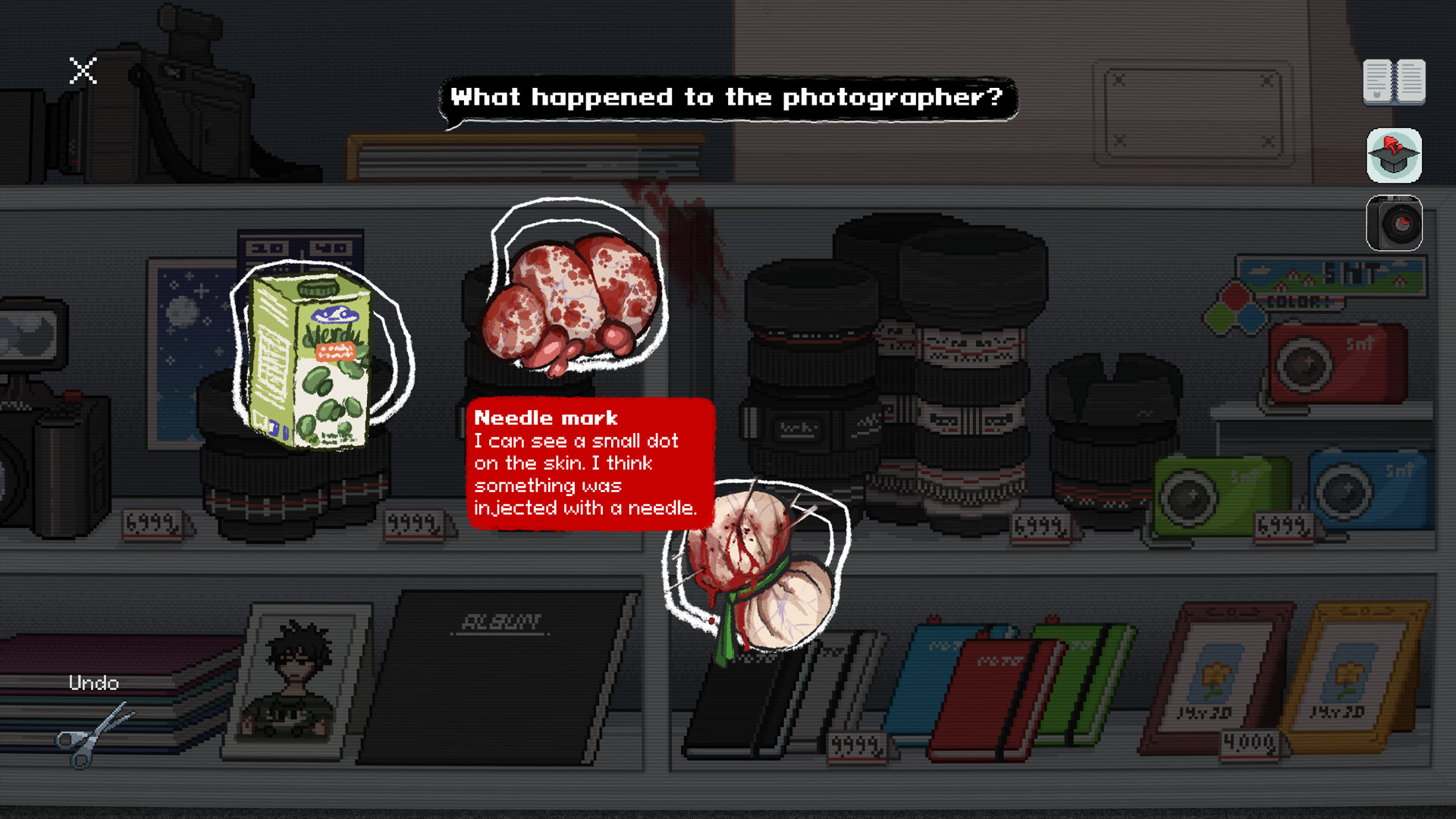
- One spore is enough. Contact with an infected person spreads it 99% of the time, and 30 seconds of contact does it.
- The infected become contagious the moment symptoms start.
What the games show it doing
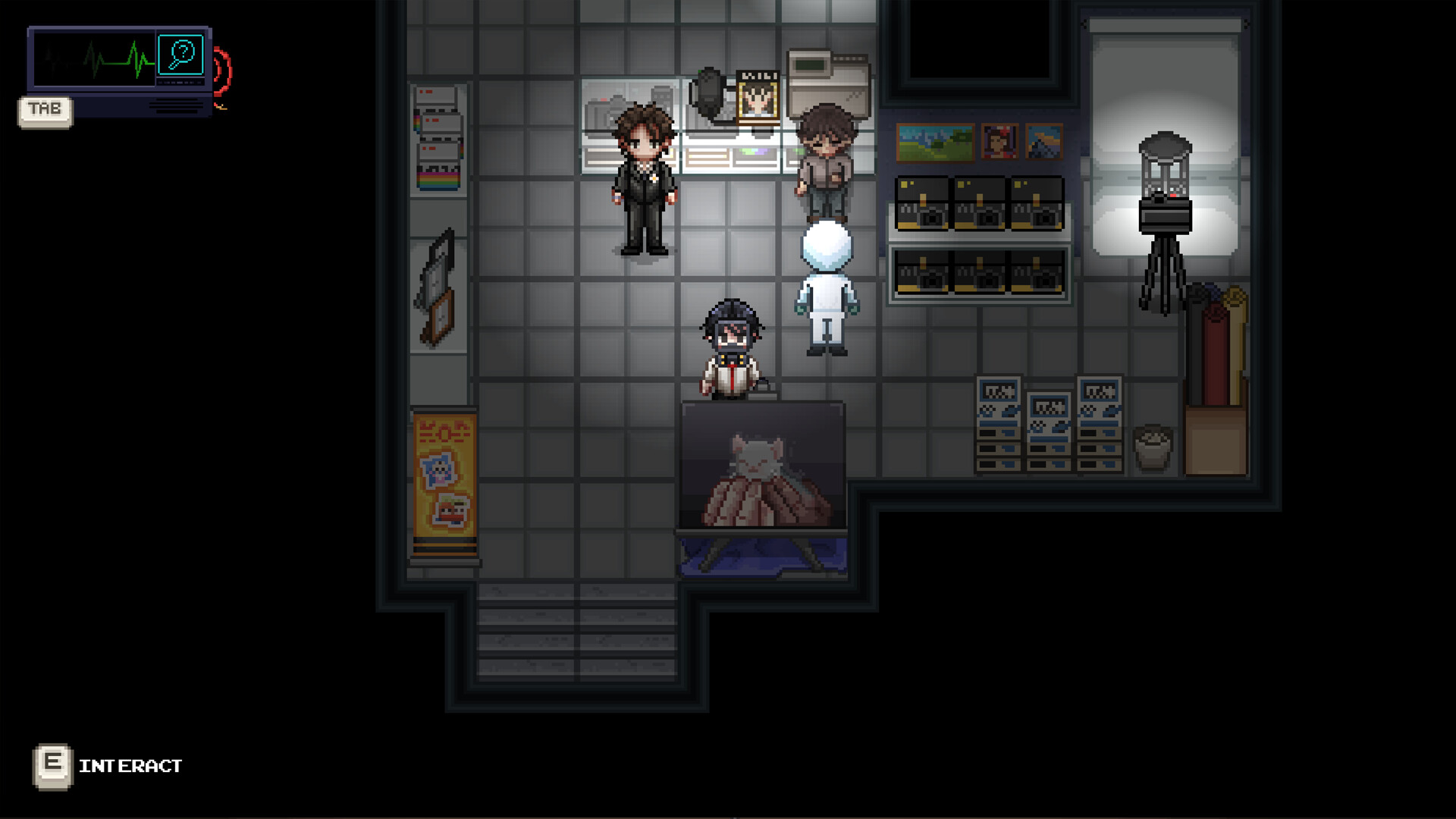
- In Project Jupiter, the disease is a case study: Lucia tells Hugo the department has been "studying this infection a long time ago" — the phrasing of people who still don't have a cure.
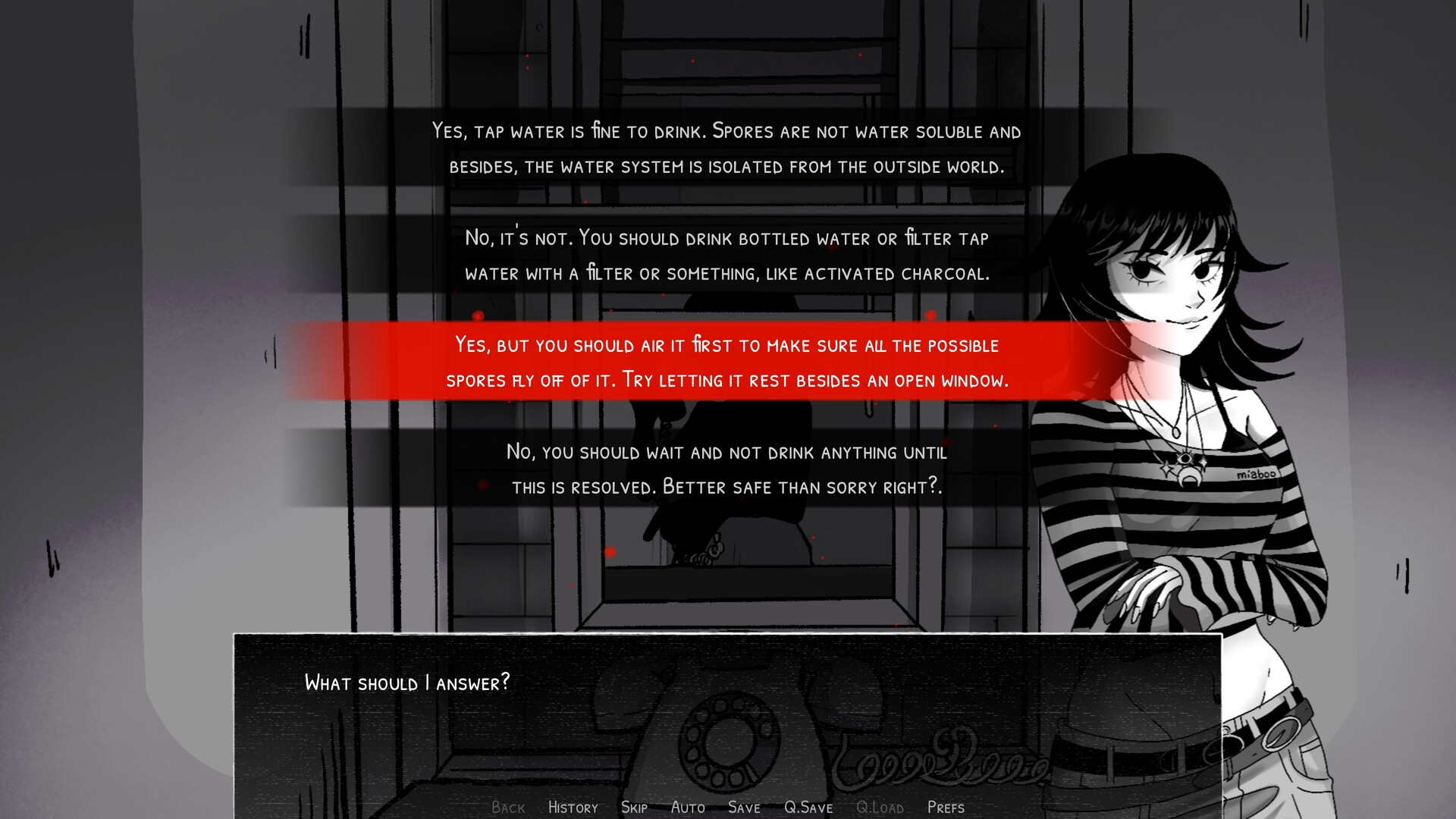
- In the visual novel, the infection is personal: the story of the 2023 original is built around people living under the sporestorm and what it does to the small cast.
The horror pitch, in one line: the department has protocols, alarms and filter grades for the disease — and no answer for it. The briefing itself acknowledges the treatment reality by focusing entirely on avoiding contact and waiting storms out.
Why this defines the series
Most horror series pick a monster. This one picked a condition — researched, catalogued, measured, and still deadly. That choice is what makes the PCD office scenes land: the paperwork is real, the whiteboards are real, and everyone at the department knows the thing they're filing paperwork about can end the town.
It also means the games reward attention: filter grades, contact windows and symptom timelines mentioned in one release show up meaningfully in another.